
SEO for E-Commerce: Strategies to Boost Online Sales
In the current business environment especially the e-commerce industry, it is very important to market the business and its products online to increase the sales and customer traffic.
In the current business environment especially the e-commerce industry, it is very important to market the business and its products online to increase the sales and customer traffic. SEO is a process that helps in increasing the ranking of your site on search engines, thus increasing traffic and sales. Below are tips to help you improve your e-commerce site for SEO and increase your sales.
1. Conduct Comprehensive Keyword Research
Keyword research is the backbone of any SEO campaign and is a vital process in the optimization of any website. Determine the search queries that customers would use when looking for products that are similar to yours. To find the high volume-low competition keywords, you can use Google Keyword Planner, SEMrush, or Ahrefs. Instead, target long tail keywords which are longer phrases that imply the consumer is closer to making a purchase. For instance, instead of using a general term such as ‘shoes,’ it is better to use ‘women’s running shoes size 8.’ It is recommended to include such keywords in your product descriptions, titles, and meta tags.
2. Optimize Product Pages
Every single page of your e-commerce site should be optimized for search engines as well as for the consumers. Begin with the product titles that are specific and informative and should contain keywords. Provide detailed descriptions of the products and their features, advantages, and characteristics. It is recommended to use professional images and videos of your products and make sure that they are described with the appropriate alt text containing keywords. Also, use structured data markup to improve the search engines’ comprehension of your product information, which will improve your search results’ appearance with rich snippets.
A well-optimised product page is a sure-fire way of keeping the visitor engaged – hence keeping Google interested. Check this cool example of a Finnish clothing store that keeps their visitors on their toes.
3. Improve Site Speed
Site speed is one of the most important factors that affect the user experience and search engine optimization. A slow page takes time to load and this may lead to the user leaving the site hence high bounce rates and lost sales. Optimize your website by using tools such as Google PageSpeed Insights to see how well your website is performing and what needs to be done. Compress images, use caching on the browser and reduce the number of http requests to improve the loading speed. A quick website that responds well to user’s inputs not only helps in enhancing your search engine ranking but also enhances the shopping experience of your consumers.
4. Enhance Mobile Optimization
Given the fact that today’s consumers are using their mobile devices to shop more frequently, it is crucial to make sure that your e-commerce site is optimized for mobile. Google has adopted what is known as mobile-first indexing, which means that they rank the mobile version of your site first. Use the responsive design to make your website compatible with all devices and their screen size. Improve the mobile navigation, so the users can easily find the products they are interested in and make the purchase. It is recommended to check your site on different devices to avoid any inconvenience to the customers while shopping.
5. Leverage User-Generated Content
Such content as reviews and testimonials can bring a lot of benefits to your e-commerce site and improve its SEO. Encourage customers to leave their feedback on your product pages because this way you can increase the trust of new customers. Introduce a rating system where users can comment on the products they have bought and used. This not only improves the content of your site but also offers new and useful information that search engines like.
6. Build Quality Backlinks
Relevant backlinks from other websites can help increase the credibility and ranking of your e-commerce website on search engines. Concentrate on the development of the relationships with the industry influencers, bloggers, and other e-commerce sites to get the backlinks. You should try guest posting, content cooperation, or joining the discussion boards to advertise your products and gain effective links. Backlinks are considered to be of high quality if they are coming from authoritative and relevant websites and this is a signal to the search engines that your site is also trustworthy and relevant.
7. Monitor and Analyze Performance
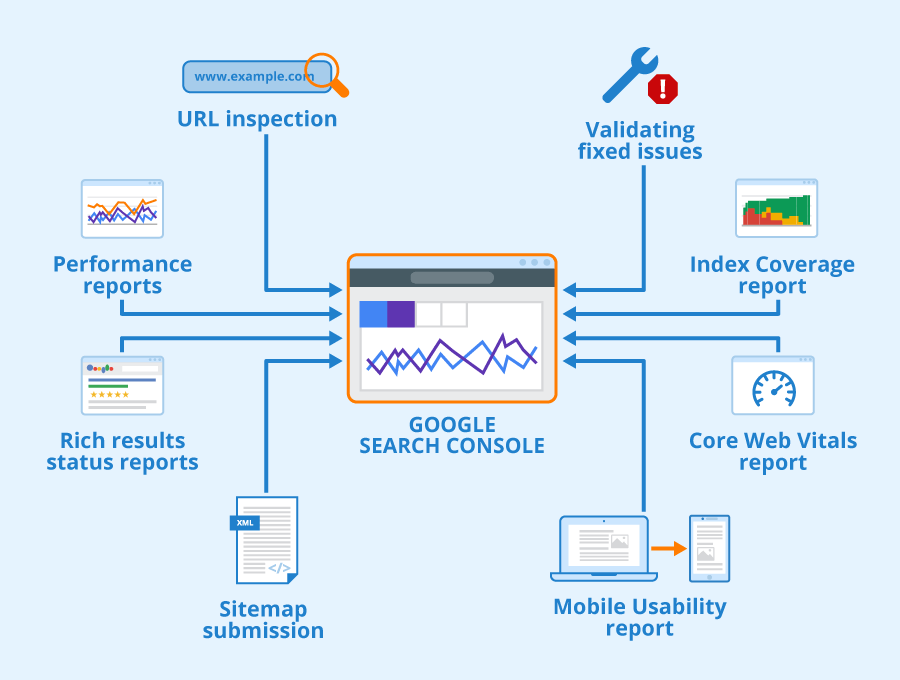
It is therefore very important to check your e-commerce site performance from time to time in order to know the areas that need attention. To monitor traffic, conversions and the ranking of keywords, one can use tools such as Google Analytics and Google Search Console. Understand which products are popular and which ones are not by tracking the users’ behavior and their interaction with the products. Optimize your SEO strategy with the help of data to make sure that you are always improving and progressing.
Conclusion
Optimizing the online sales process is crucial in the current environment of the e-commerce industry through the utilization of proper SEO strategies. By identifying the right keywords, optimizing the product pages, improving the site speed, enhancing the mobile friendliness, using the user generated content, building quality backlinks and tracking the performance, the visibility of the website can be improved and more customers can be attracted.
Total 0 Shares Share 0 Tweet 0 Pin it 0 Share 0 SEO for E-Commerce: Strategies to Boost Online Sales